UX Was Here
All in one UX Community Platform (Jobs, Events, Resources and Connections)

Company
UX Was Here
Timeline
July 2023 - July 2024
Role
Lead Product Designer
Status
In Beta
About The Project
The Problem
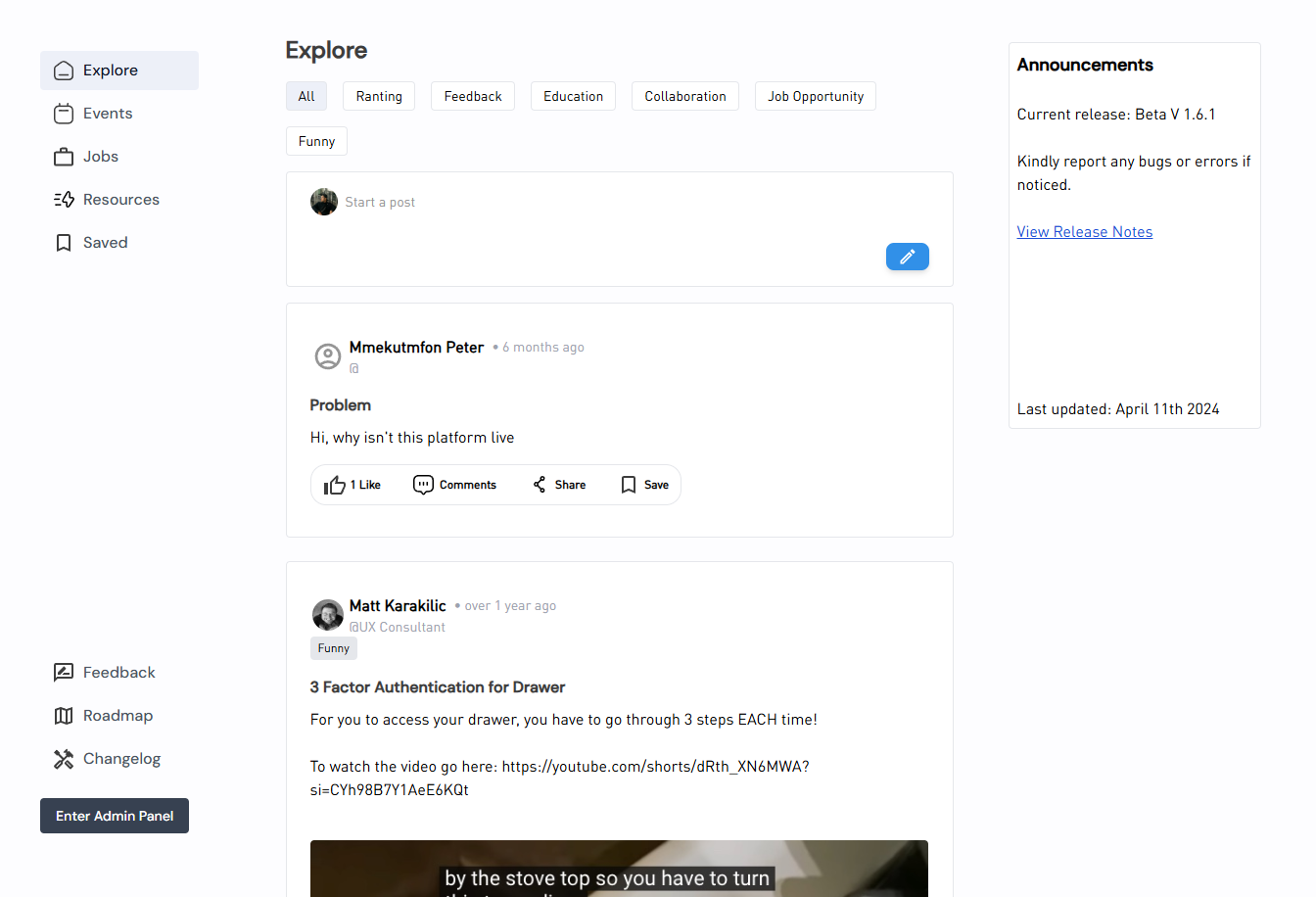
Platform analytics revealed a critical challenge: 96.46% of users were getting stuck at the waitlist page with minimal engagement on core features. The few who made it through showed strong interest—the Jobs page had the longest engagement time—but we were losing potential community members before they even experienced the platform's value.
My Role & Context
Design Leadership
- End-to-end product design from research to launch
- Created all wireframes, prototypes, and design iterations
- Defined product requirements and feature prioritization
Team & Project Management
- Managed 4 cohorts of BCIT practicum students (3-4 students each, 12-16 total)
- Organized teams into frontend and backend pairs
- Created PRDs and facilitated sprint planning in Jira
- Coordinated with founder and development teams
Community Building
- Grew Substack newsletter from 0 to 300+ subscribers
- Maintained 50%+ open rates consistently
- Curated weekly job postings and event listings
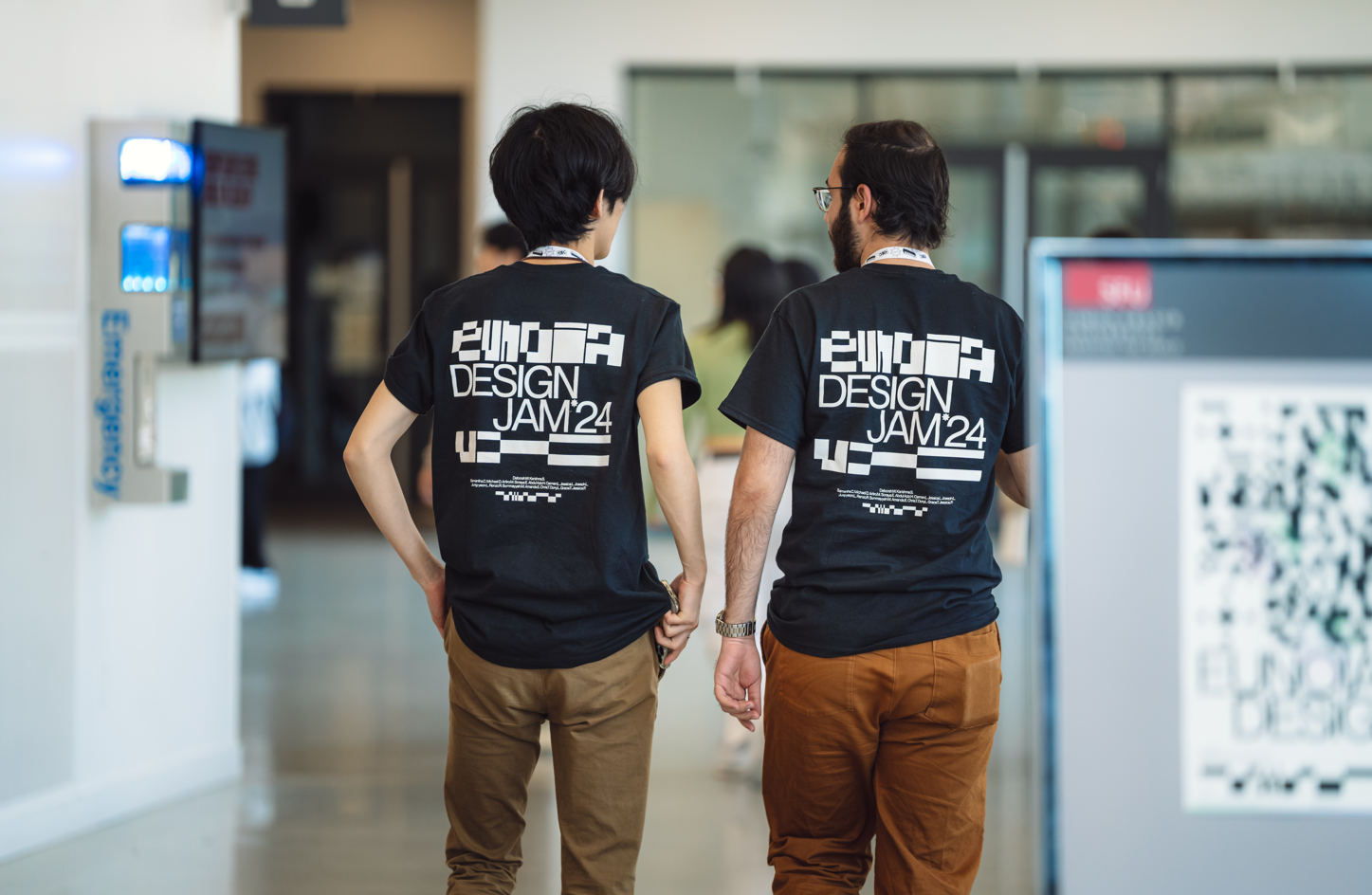
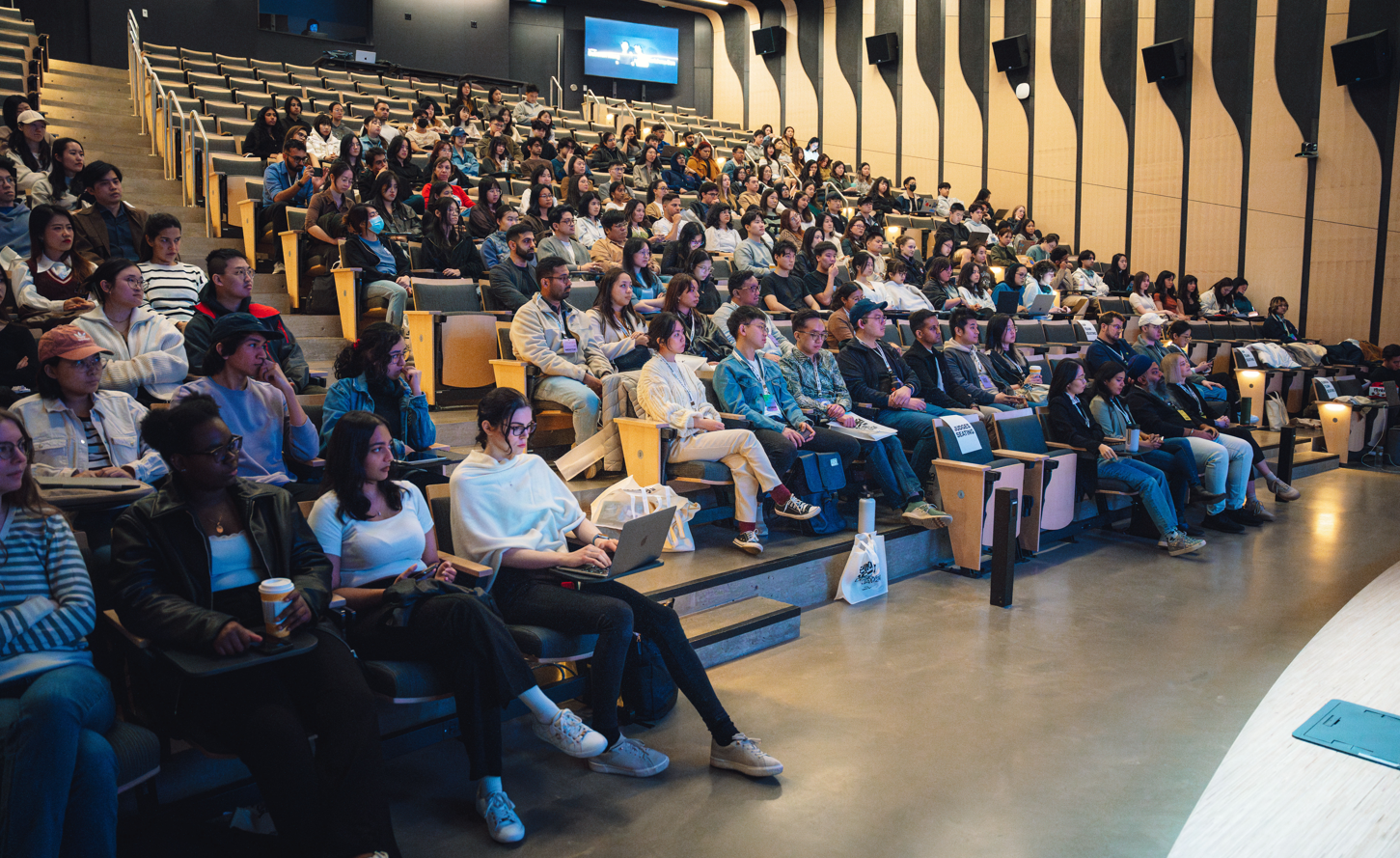
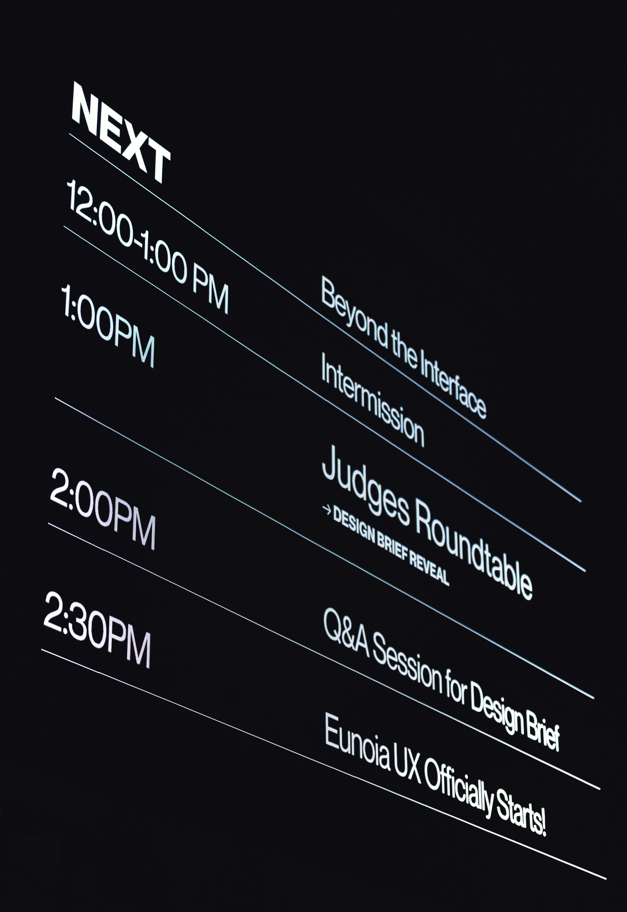
- Partnered with SFU for Eunoia Design Jam (25 submissions, 100+ participants)
Design Process & Research
Phase 1: Understanding the Problem Space
Phase 2: Competitive Analysis
The gap was clear: no single platform combined community forums, job discovery, events, and networking in one cohesive experience tailored specifically for the UX community.
Phase 3: Rapid Prototyping & Testing
Design Solutions
Key Challenges & Solutions
Challenge 1: High Churn & Low Engagement
The solution focused on showing immediate value. I redesigned the onboarding to highlight job alerts and upcoming events right away, added social proof showing active community engagement, and implemented progressive disclosure to reduce overwhelm. The key was creating "quick win" moments in the first session that demonstrated the platform's value before asking for deeper commitment.
Challenge 2: Managing Distributed Student Teams
The biggest lesson: community-building requires sustained effort and stability. Student cohorts brought fresh energy, but the short rotation periods made long-term engagement difficult. The challenge wasn't the design—it was maintaining consistency with a constantly rotating team.
Challenge 3: Scaling Content Without Resources
Results & Impact
Quantitative Success
We partnered with SFU as case sponsors for their Enunoia Design Jam, a 2-day intensive where I defined the core retention challenge for student teams. The jam attracted over 100 participants and generated 25 design submissions addressing onboarding and engagement issues. While budget constraints prevented us from implementing these solutions, the partnership successfully built awareness in the academic design community and created a talent pipeline for future collaborations.
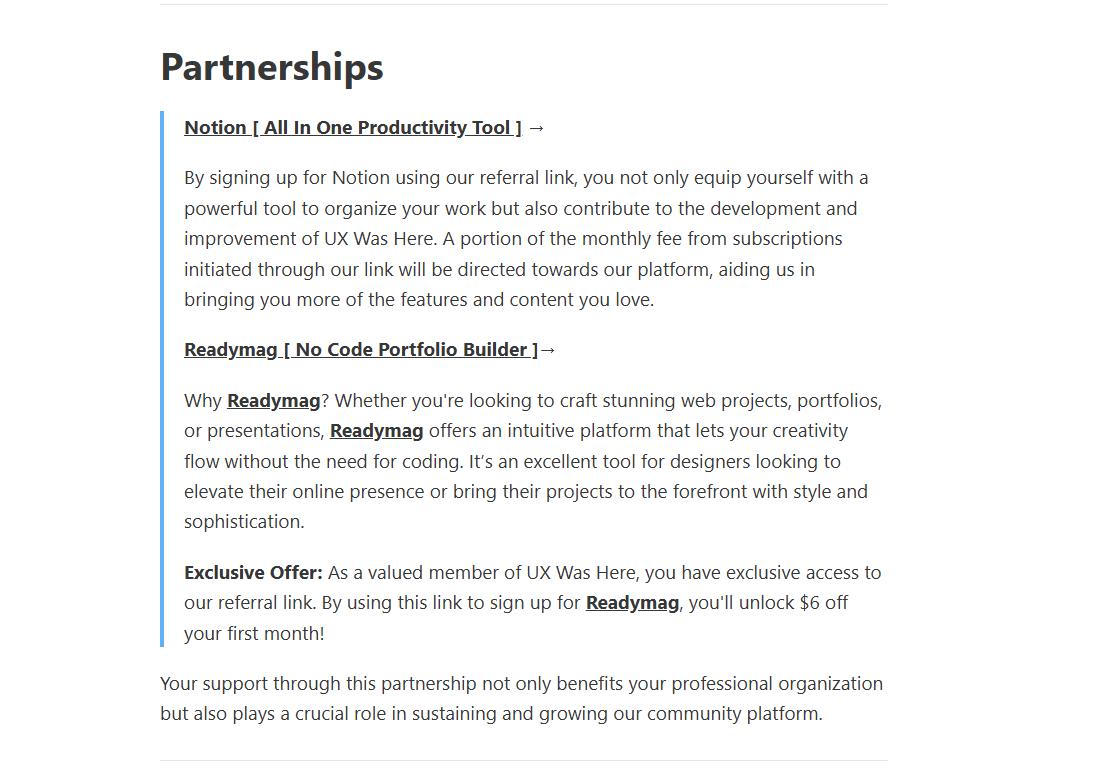
Beyond the platform itself, I established the Substack newsletter as a reliable source for UX jobs and events within the community. It created a safe space for student discussions and questions, connected UX professionals across international markets (Canada, India, US), and demonstrated the viability of a student-centric UX platform even when platform engagement lagged.
Learnings & Reflections
What Worked
Focusing on student-centric design created a clear value proposition and differentiated us from professional-focused platforms. When platform engagement lagged, the newsletter kept the community connected—50%+ open rates showed we were solving a real problem. Working with 3-5 prototypes per feature kept us moving fast despite being a solo designer with limited resources. Perhaps most importantly, I learned to speak the language of developers, students, and business stakeholders simultaneously, which improved collaboration and outcomes across the board.
What Didn't Work
You can't build sustainable community with rotating student cohorts. Each group brought fresh energy but the lack of continuity made long-term engagement nearly impossible. Running out of budget meant we couldn't implement winning solutions from the Design Jam—great ideas remained theoretical. We also underestimated how much continuous content creation (jobs, events, posts) is required to keep a community platform alive. The content demands were relentless.
Skills Developed
I learned cross-functional leadership by managing distributed teams of students, communicating designs to developers, and presenting strategy to founders—all while being the only designer. I developed lean product management skills, creating PRDs, prioritizing features, and making hard tradeoffs with limited resources. Growing the newsletter from scratch taught me community strategy and what it takes to build audience trust. Most of all, I built resilience—leading a complex project solo, managing constant team turnover, and shipping a functional product despite significant constraints.
The Origin Story
The founder of UX Was Here, who also runs Omnia Consulting, once conducted a guerrilla UX experiment in a company cafeteria serving 1,500+ employees daily. Observing the chaotic lunch lines, he rearranged the food flow after hours and left one mark: "UX was here!"
The next day, efficiency transformed. Conversations sparked. An internal team formed to improve employee experience. This simple experiment became the philosophy behind UX Was Here—demonstrating how individual UX practitioners can create ripple effects of positive change in their communities.UX Was Here aimed to scale that impact globally, creating a platform where designers could connect, collaborate, and carry forward that spirit of grassroots problem-solving.