Chexy is a platform that currently allows users to pay rent with their credit cards and receive cashback rewards for making rent payments. In addition, the platform allows users to build credit without having to take on additional debt when rent payments usually take up the majority of pay cheques.
This major update aimed to transform the platform into a comprehensive solution for landlords of all sizes, providing them with the tools they need to efficiently manage their rental properties. As the lead designer on this project, I collaborated closely with the Chief of Product to create an intuitive, user-friendly experience that addresses the diverse needs of landlords, from onboarding to financial management.
November 20th 2023|Fintech
Chexy - Landlord Facing Platform V2
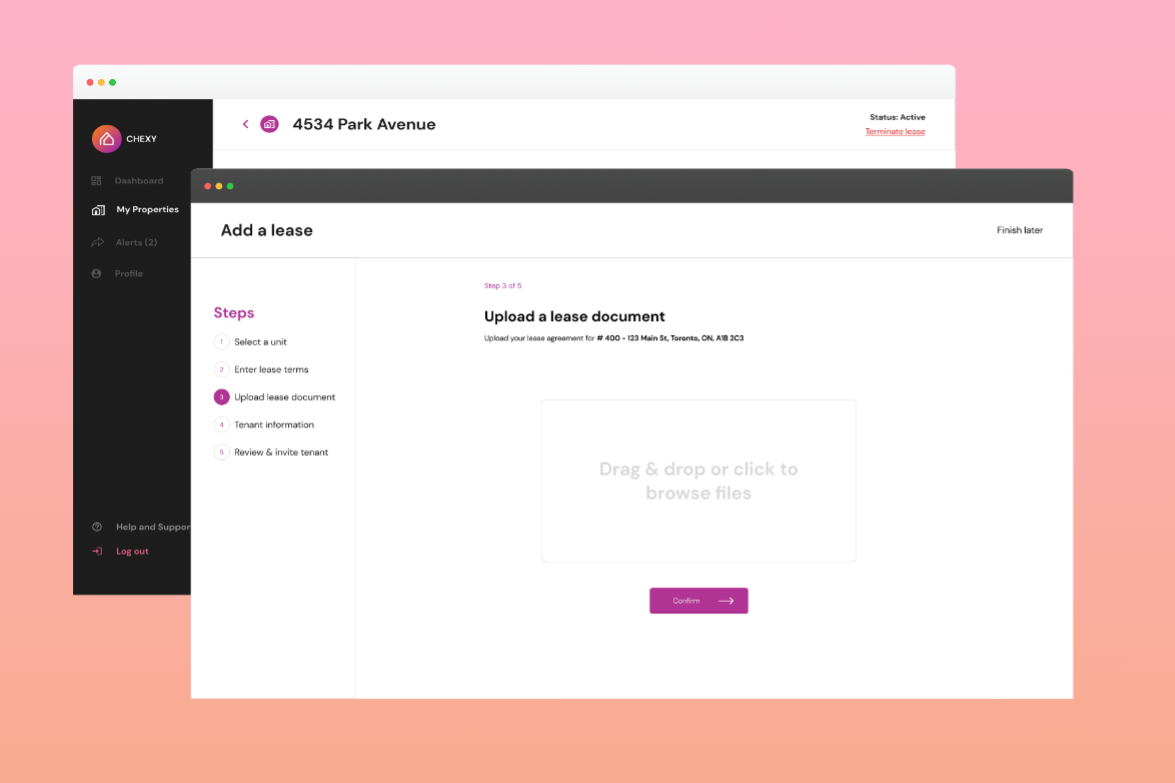
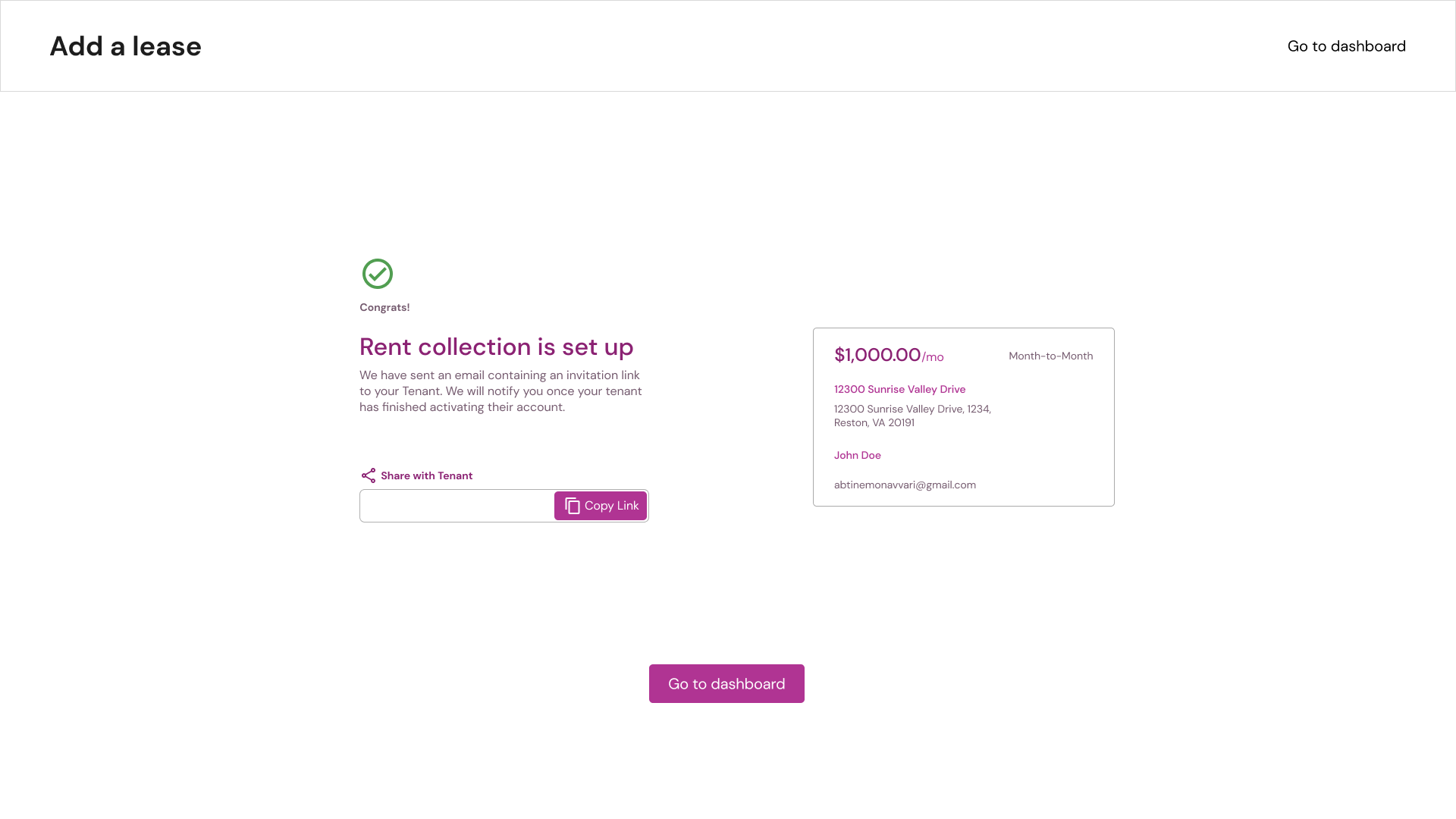
This release allows landlords to create their accounts, create households, manage lease agreements, and invite their tenants.
Company
Chexy
Timeline
August 2023 - November 2023
Role
Product Designer
Status
Shipping & Released
About The Project
My Contribution
As the lead designer for the Landlord V2N release, my contributions were integral to shaping the overall user experience and ensuring the product's success.
Led the end-to-end design process: I was responsible for the design of all major screens and user flows, from onboarding to payment management, ensuring a cohesive and user-friendly experience. I collaborated closely with the Chief of Product to translate research insights into actionable design solutions.
Created interactive prototypes:I developed high-fidelity prototypes in Figma, allowing us to test and iterate on designs quickly and efficiently. This iterative approach helped us refine the user experience and address any pain points or usability issues.
Focused on accessibility:I incorporated accessibility best practices into the design, ensuring that the platform is usable by all landlords, regardless of ability.
Collaborated with cross-functional teams:I worked closely with the Chief of Product and engineering team, providing design specs and feedback throughout the development process to ensure the final product met our design vision.
Created interactive prototypes:I developed high-fidelity prototypes in Figma, allowing us to test and iterate on designs quickly and efficiently. This iterative approach helped us refine the user experience and address any pain points or usability issues.
Focused on accessibility:I incorporated accessibility best practices into the design, ensuring that the platform is usable by all landlords, regardless of ability.
Collaborated with cross-functional teams:I worked closely with the Chief of Product and engineering team, providing design specs and feedback throughout the development process to ensure the final product met our design vision.
Some Features At a Glance
Target Audience
10
Individual Features Designed
30+
User Flows Designed
Individual Landlords
Property owners managing a few units, often seeking simple, intuitive tools for rent collection and basic tenant management.
Small-Scale Property Managers
Professionals or companies managing a portfolio of properties, needing more robust features for lease management, financial reporting, and tenant communication.
Large Property Management Companies
Organizations overseeing numerous properties and units, requiring advanced features like bulk payment processing, customizable reporting, and integration with existing property management software.
Design Process
The design process for the Landlord V2N release was a highly collaborative and iterative endeavor. Working hand-in-hand with the Chief of Product, we established a continuous feedback loop, starting with the research insights he gathered from our pilot group of landlords. This invaluable feedback was instrumental in shaping our design decisions, allowing us to tailor the platform to the specific needs and pain points of our target audience.
Leveraging Figma as our primary design tool, we rapidly created and refined interactive prototypes. These prototypes served as a tangible representation of our design vision, facilitating discussions and enabling us to gather early feedback. This iterative approach allowed us to quickly identify and address potential usability issues, ensuring that the final product was both intuitive and effective. Throughout the process, we maintained open communication with the engineering team, ensuring that our design vision was aligned with technical feasibility and development timelines. This collaborative approach fostered a shared understanding of the project goals and ultimately led to a successful launch.
Leveraging Figma as our primary design tool, we rapidly created and refined interactive prototypes. These prototypes served as a tangible representation of our design vision, facilitating discussions and enabling us to gather early feedback. This iterative approach allowed us to quickly identify and address potential usability issues, ensuring that the final product was both intuitive and effective. Throughout the process, we maintained open communication with the engineering team, ensuring that our design vision was aligned with technical feasibility and development timelines. This collaborative approach fostered a shared understanding of the project goals and ultimately led to a successful launch.
Feature Dumping
We kick started our design process by researching common property management/automation tools that are currently on the market. After doing an in depth evaluation of 8 other competitors in the space, we started taking apart each feature from the 8 competitors' platforms. After we have a bank of features, we gathered the list of features that we think our target audience could benefit from.
Once we decided the features we would like to build out for this version, we categorized in "low priority", "medium priority", and "high priority".
Eliminate Biases & Record Assumption
We want to obtain an unbiased perspective of what landlords want and need. Collectively, we scoured the web looking for common struggled that small to medium sized landlords go through as part of their day to day operations.
After sifting through all the gathered "user stories", we began draft all of our assumptions of how a landlord might want to use the features we gathered.
After sifting through all the gathered "user stories", we began draft all of our assumptions of how a landlord might want to use the features we gathered.
After we recorded our assumptions, we then assigned relevant features to each of our assumptions. Which is then categorized again into "low priority", "medium priority", "high priority", which would give us an idea of which features to develop and validate first.
Validate Assumptions
With our long list of assumptions and features for each assumption, we went ahead to contact landlord of various sizes.
Summary of Pain Points:
Hard to report rental income for tax purposes because of poor visibility on payments.
Hard to know which tenant has paid and which hasn't when landlord has numerous units.
Managing rent deposits and increases is difficult because of poor systems to track payments over time.
My tenants sometimes forget to pay rent...it would be nice to have reminders and even better if there is automation.
Depositing cheques isn't ideal but the additional control they afford is enjoyed by some.
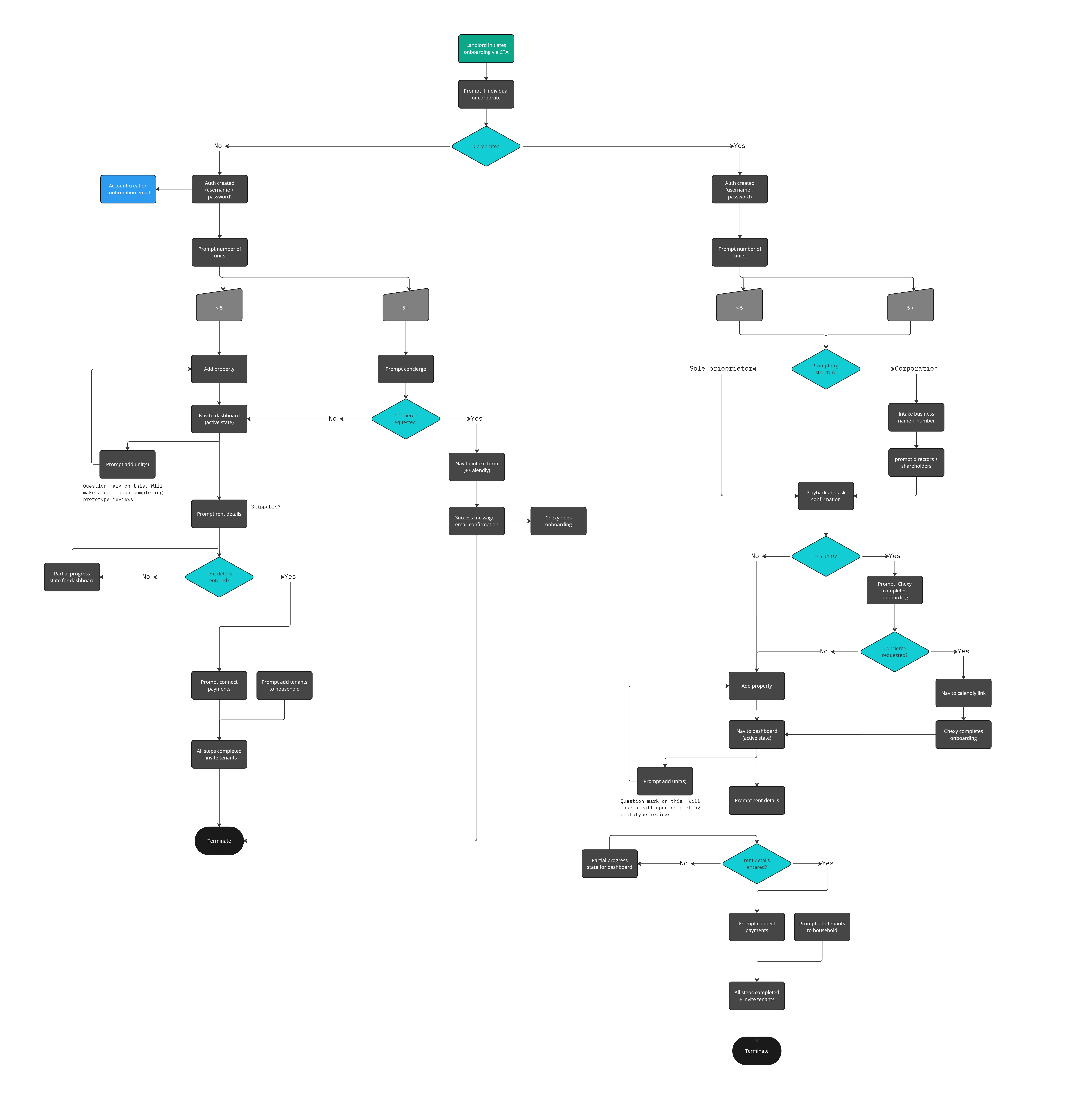
Design Userflow & Wireframe
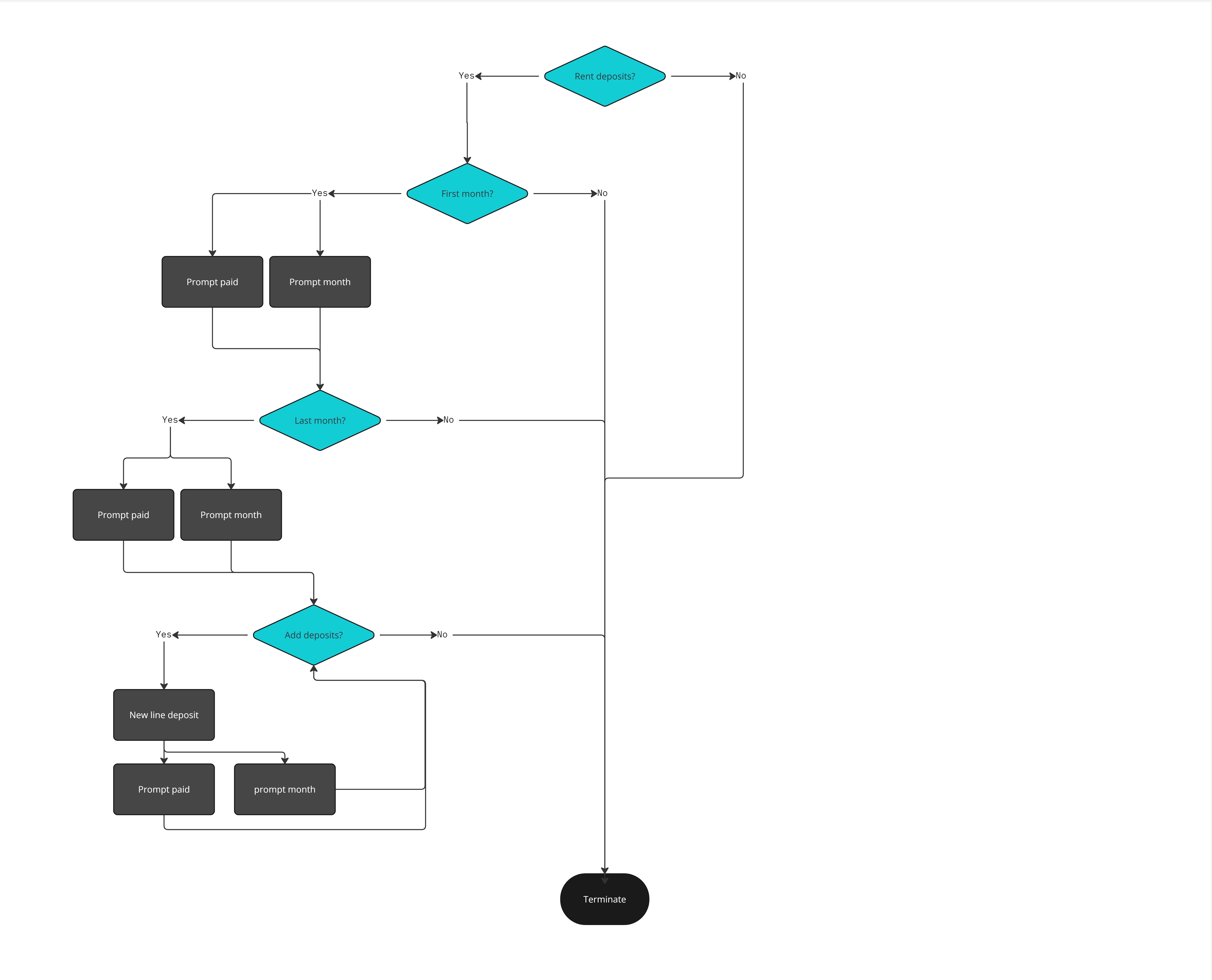
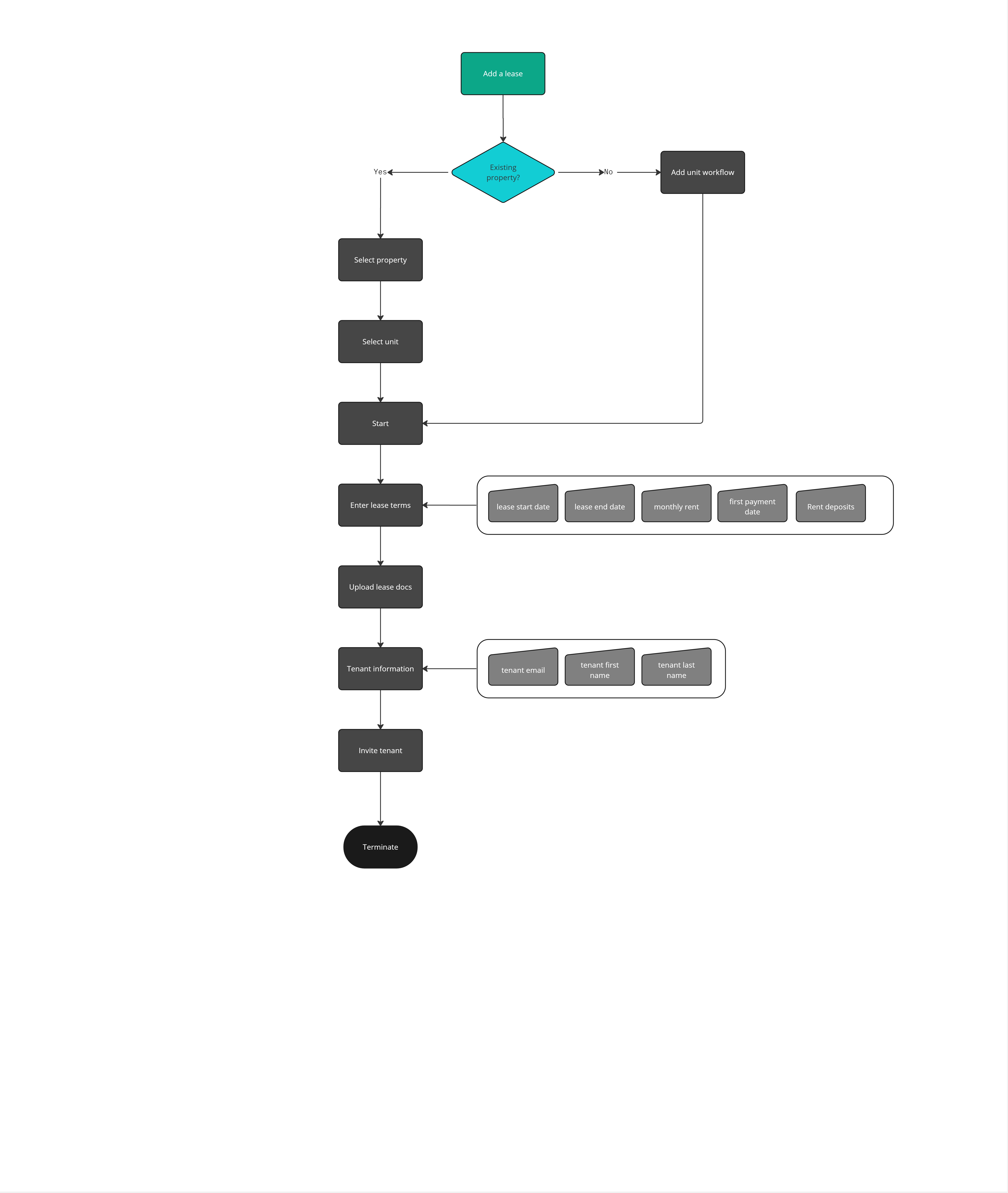
After we validated our assumptions and finalized our features in order of priority, we started the design process of initial wireframes and userflows.
Validate Prototype with Landlords
We finalized the designs by creating interactive prototypes which we successfully tested with 27 landlords. Our results were as expected, so a final audit was done to ensure we met regulatory standards for collecting lease information.
Impact & Results
Building upon the success of the V2N release, we are committed to continuously refining and expanding the Chexy platform to better serve landlords. Future iterations will focus on enhancing the existing feature set, exploring new payment options to cater to diverse preferences, and developing specialized solutions tailored to the needs of enterprise-level property management companies. Additionally, we aim to proactively address potential pain points, such as payment timing discrepancies and communication challenges, by implementing intelligent notifications, dispute resolution tools, and educational resources to empower both landlords and tenants. By staying attuned to user feedback and industry trends, we will continue to innovate and evolve the platform, ensuring that Chexy remains a trusted partner for landlords in navigating the complexities of the rental market.
Reflection
The scope of this project was quite large to begin with. But after settings our biases and assumptions aside, we were able to narrow down the scope based on which assumptions we validated.
With the number of features we originally proposed, nearly half of those features have been removed. An important lesson that I learned is that we cannot design for every user and every edgecase. The main challenge we faced was with goals and needs of our different target audiences. We slowly realized that there are different skill levels when it comes to real estate investing regardless of sole proprieter or corporations. Some smaller landlords are experienced, some are inexperienced, but how can we bridge the gap between all the skill levels?
At the end of the day, we learned various interviewing techniques and vocabulary to use with each target audience. And now moving forward, we have a better idea of what we can improve on for the next release.
The Landlord V2N release represents a significant step forward in Chexy's mission to empower landlords with the tools they need to effectively manage their rental properties. By prioritizing user-centric design, collaboration, and continuous improvement, we have created a platform that is both powerful and easy to use. We are excited to continue building upon this foundation and delivering innovative solutions that meet the evolving needs of the rental market.
With the number of features we originally proposed, nearly half of those features have been removed. An important lesson that I learned is that we cannot design for every user and every edgecase. The main challenge we faced was with goals and needs of our different target audiences. We slowly realized that there are different skill levels when it comes to real estate investing regardless of sole proprieter or corporations. Some smaller landlords are experienced, some are inexperienced, but how can we bridge the gap between all the skill levels?
At the end of the day, we learned various interviewing techniques and vocabulary to use with each target audience. And now moving forward, we have a better idea of what we can improve on for the next release.
The Landlord V2N release represents a significant step forward in Chexy's mission to empower landlords with the tools they need to effectively manage their rental properties. By prioritizing user-centric design, collaboration, and continuous improvement, we have created a platform that is both powerful and easy to use. We are excited to continue building upon this foundation and delivering innovative solutions that meet the evolving needs of the rental market.